
Construction
Tools of the Trade: Physical Model-Making
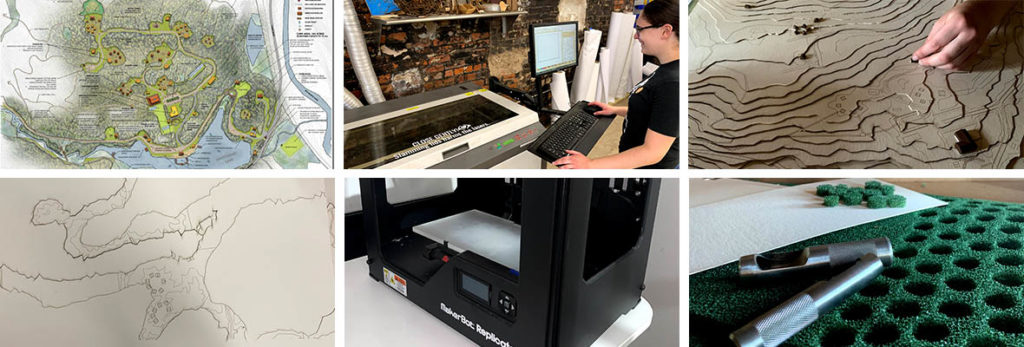
There are many ways to help a client visualize the architectural design we’re developing for them, from initial hand-drawn sketches to highly precise CAD drawings. But because we all live in a three-dimensional world, there is nothing quite like a physical model to bring a design to life. And, of course, we all played with…
Read MoreHow We Make Structures More Resilient in Historic Preservation Projects
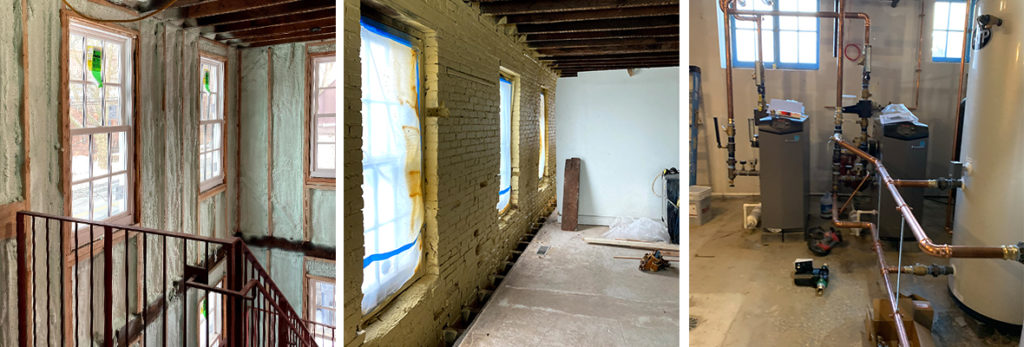
At Patriquin Architects, we do a great deal of work on historic buildings, including many with historic significance to their surrounding area. In order to maximize the lifespan of these unique and interesting structures, and ensure that they are a vital part of the local historic fabric for decades to come, our first question in…
Read MoreHidden Historic Treasures: How to Find and Preserve Them
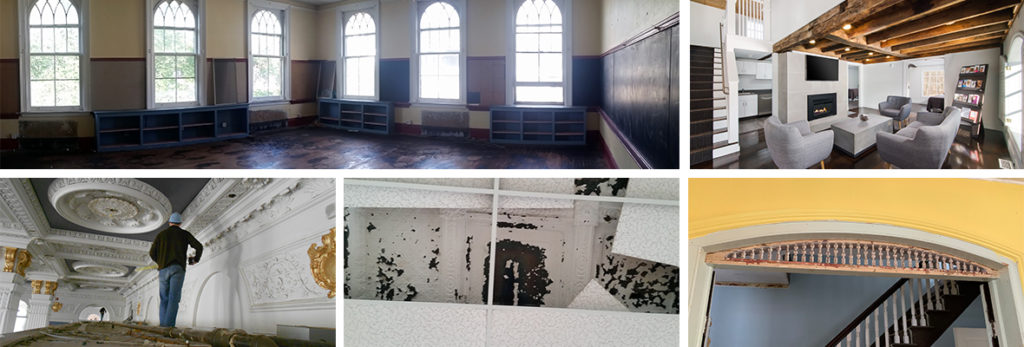
As our work has shown many times through the years, when renovating an older building there is often an opportunity to find, salvage, and restore elements of historic or architectural significance. We’ve also learned that sometimes we have to choose which part of a building’s history should be preserved, and which areas should be modified…
Read MoreNeed Excellent Thermal Performance? Try These Wall Assemblies
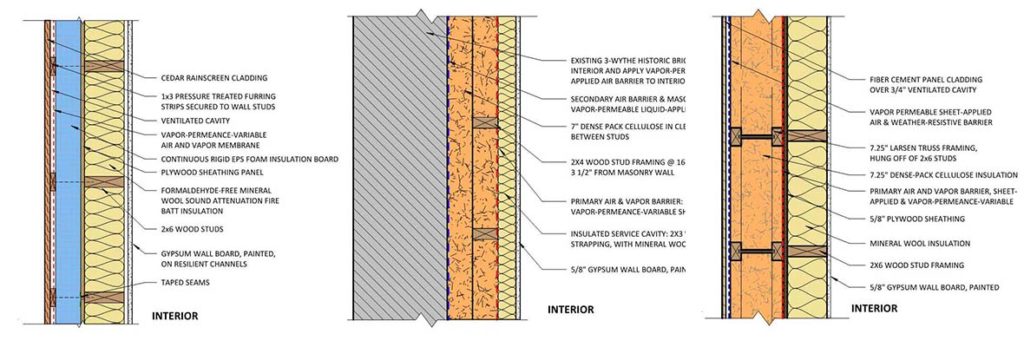
Thermal performance—the degree of energy transfer between a building and its surroundings—is an important consideration for every construction or renovation project. Not surprisingly, exterior wall assemblies play a major role in achieving the desired performance. At Patriquin Architects, we’re continually exploring new wall options to meet specific project conditions. Whether or not a client is…
Read MoreKing’s Block Passive House Retrofit: What’s the Latest?
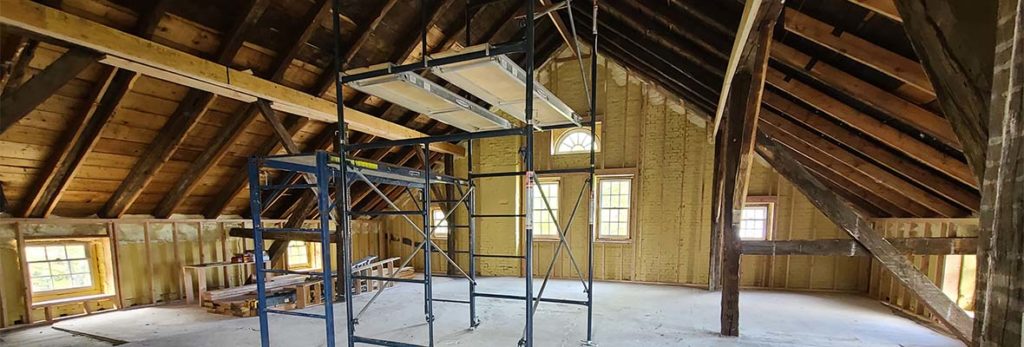
Established in Europe more than 40 years ago, Passive House is a standard used in designing new buildings—or retrofitting existing ones—to be highly energy efficient. The standard requires that buildings be fully insulated and airtight, have high-performance windows, manage solar gain effectively, and utilize balanced recovery systems for heat and moisture, as well as a…
Read MorePassive House Certification and Our Historic Building
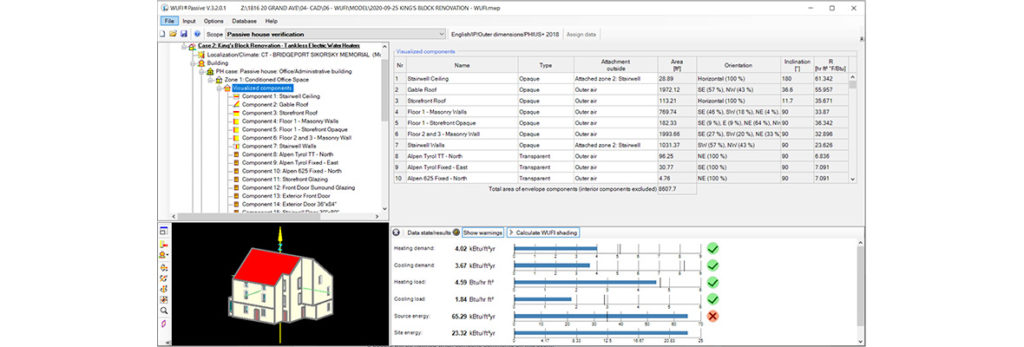
Passive house is a rigorous design standard for energy efficient new or retrofitted buildings. First established in Europe in the late 1980s, the Passive House standard calls for buildings that: Have a continuous insulation envelope with no thermal bridging Are very airtight, with no unintended transfer of air between inside spaces and outside Have high-performance…
Read MoreWhy Are Architectural Sections Important to Projects?
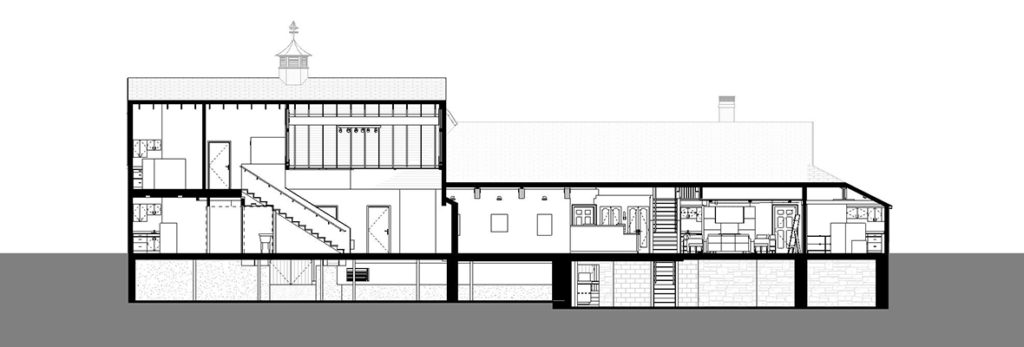
Every architectural drawing has a purpose. It may explain proportions, show dimensions, or provide details about materials. In this way, an architectural drawing tells a story. And as with any story, the artistry in how it’s told is a major factor in how effective it is. That’s why we put tremendous effort into the drawings…
Read MoreCelebrating 10 Years and a Diverse Design Portfolio
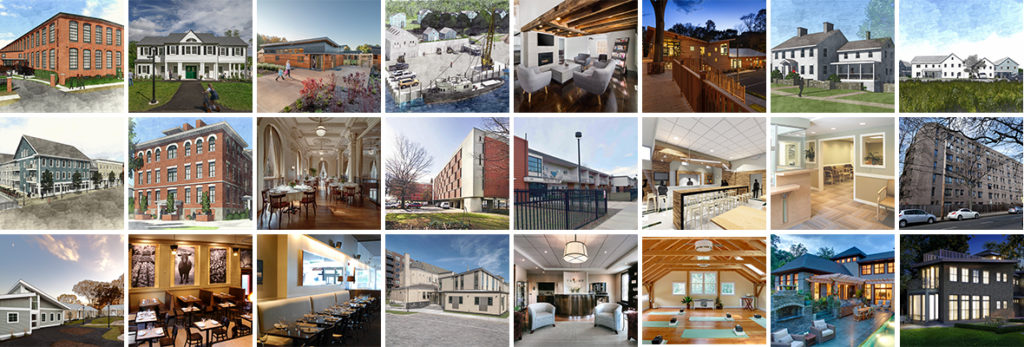
At Patriquin Architects, we’re celebrating our tenth anniversary as a firm! While we’re constantly grateful for our wonderful clients, it feels especially appropriate at this moment to reflect on the diverse design portfolio we’ve developed over the last decade, and to appreciate the stakeholders who have entrusted us with their projects. Collaborating with a Wide…
Read MoreHow to Visualize the Process of Architectural Design
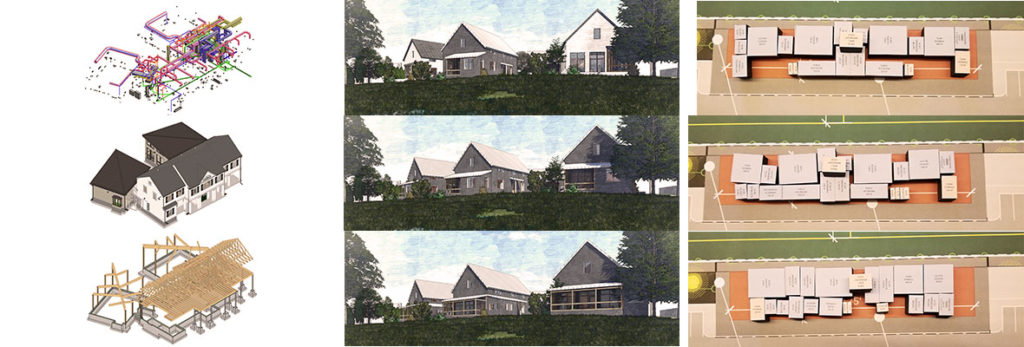
Effective collaboration is the key to translating a design “problem” or “challenge” into a formalized plan for building or renovating a structure. In order for a project to meet all of its objectives, everyone involved must be able to visualize the design parameters, understand the design task at hand, and compare design solutions in terms…
Read MorePatriquin Architects Sees Projects Continue During the Pandemic
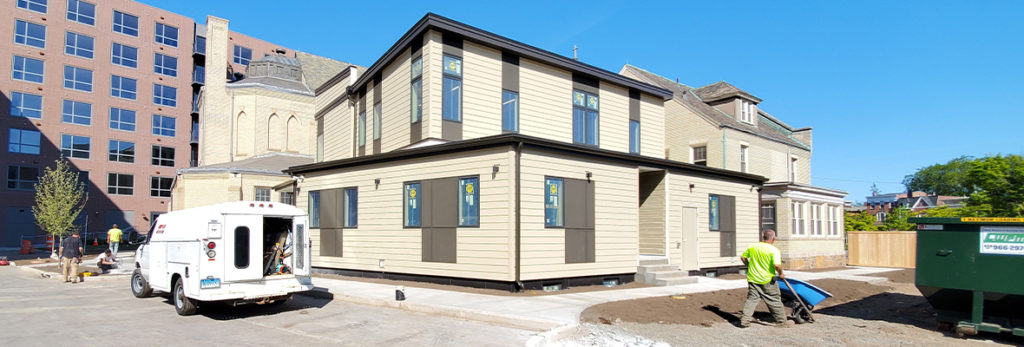
While the COVID-19 pandemic has changed the way construction work is coordinated and executed, we have a number of projects that are continuing to make great progress. Our team, and the builders we work with, have been able to maintain our momentum in part because adapting and being nimble are second nature to architects and…
Read More