
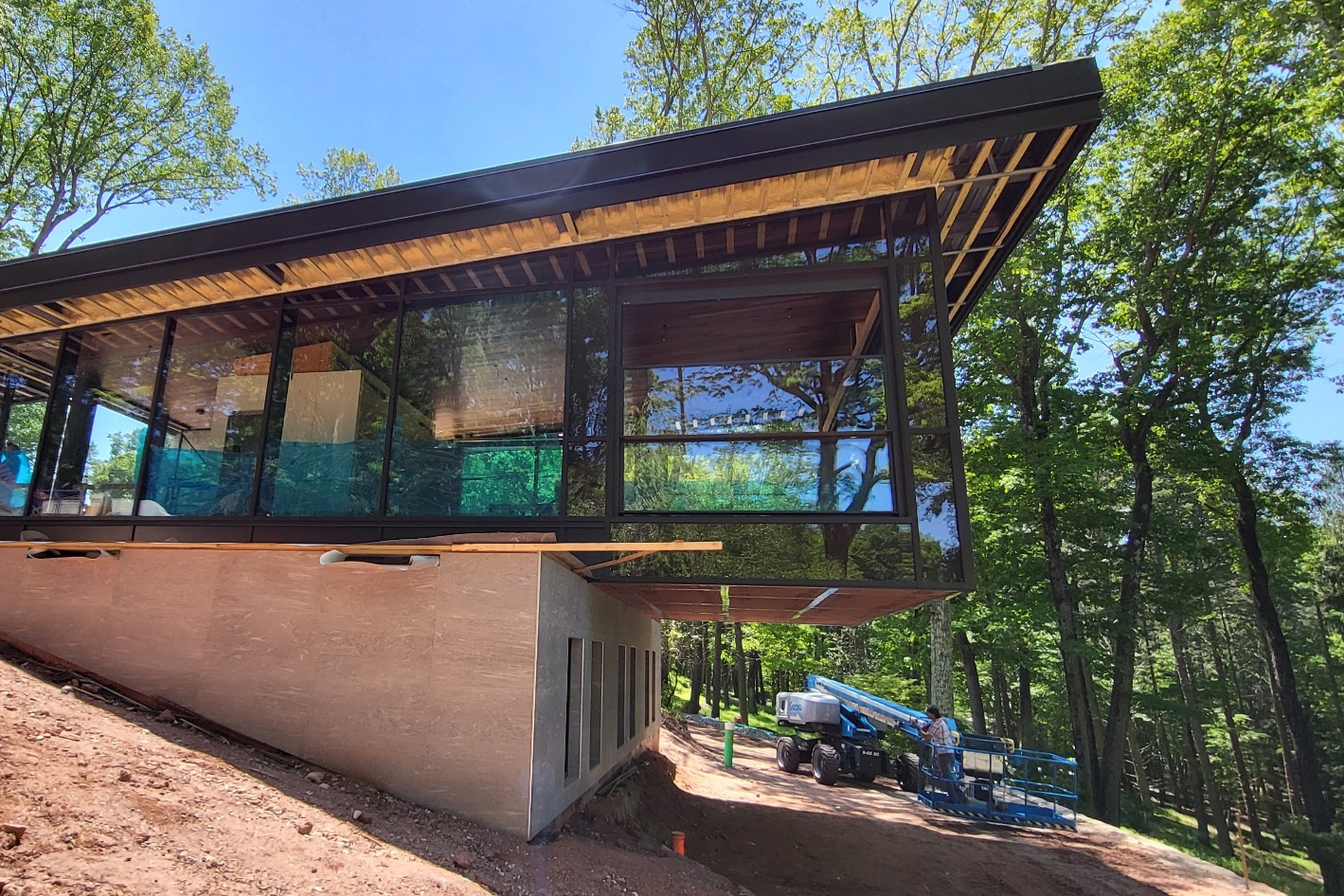
Unseen Architecture
Each & every architectural project is uniquely different.
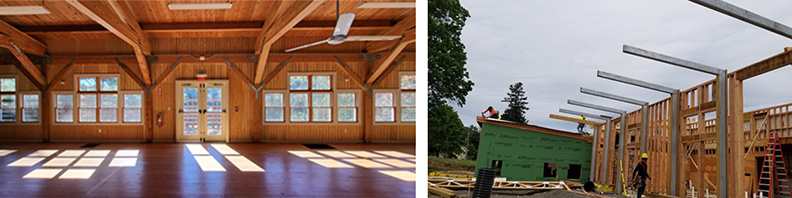
From the place, size, scope, and design team. No two projects are exactly the same, and this is how architecture should be, a moment in time as a response to a very specific set of criteria. However, there are a number of common threads that weave together these projects creating undeniable connections within the broader profession. For anyone managing or overseeing a project, these facets should already be grounded in practice. For those rising into the ranks of leadership, embracing these invisible processes helps build lasting relationships with clients and business partners even before putting pencil to paper… or Revit model.
Building Your Team: It’s bigger than just you
Assembling the project team is easy:
Gather your typical and most trusted engineering team, perhaps a landscape designer is needed here too, maybe pull on a reliable cost estimator. Done. Let’s go!
But we have to ask ourselves if we’ve truly considered the mission and goals of each project to ensure that the team understands and aligns with the values of the client. It’s critical for us to make sure we’ve assembled the best possible lineup of consultants driving towards a common goal.
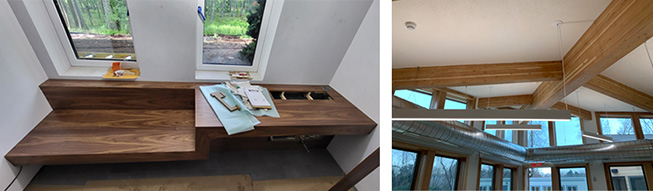
For instance, a clever-minded structural engineer who thinks outside the box can help elevate certain aspects of a project to meet the precise vision of the client. They may even help you hide the steel columns supporting an extended awning. Or, maybe it’s worth tracking down the original engineer of record to ensure that the timber-framed addition looks like it’s always been there.
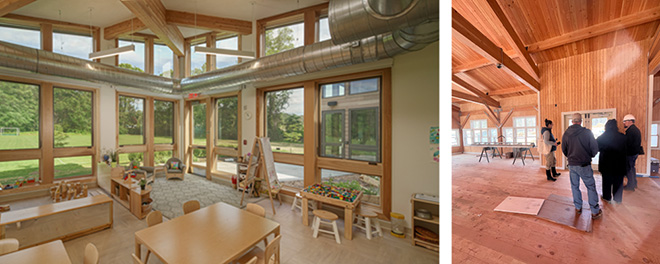
Equally important are our partnerships with our MEP teams who are selected to meet specific needs on each project. At times, we may need to coordinate with our engineers to select a mechanical unit to precisely fit within custom millwork so that the client does not see recognizable equipment within their spaces. In other moments, we may implore our team to ensure a logical and coordinated approach to the duct layout of a classroom so that it becomes a prominently featured element. It’s also vitally important for our engineers to thoughtfully integrate lighting, technology, security, and access control components in a way that truly eases operations for our clients, especially where young children occupy the majority of the spaces.
On certain projects, we may need to seek the expertise of some non-traditional consultants, such as lighting designers.
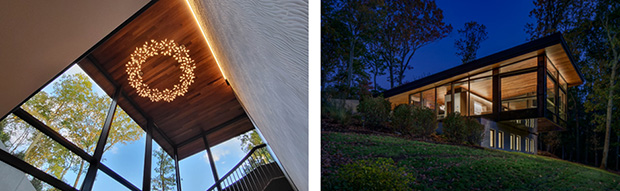
We will often reach out to lighting affiliates to find the perfect light fixture that compliments the building and interior design, whether for a playful children’s space or a large residential foyer. A crafty lighting designer will also use custom fixtures to find just the right aesthetic for any time of the day.
At Patriquin Architects, we broaden the definition of the project team to include those who are not in traditional design roles.
 On one of our recently completed projects, we invited the local building inspector onto the site to have a dialogue about cost effective design options that would still allow the owner to realize their vision of an expanded assembly space for summer campers. By the time we left the site, we had a firm strategy in place that enabled the team to push forward with plan changes that the inspector was able to approve.
The contractor for the project should also be considered a vital member of the team.
As an extension of our consultants, the contractor needs to be selected for their willingness to communicate and their ability to execute the fine details. We encourage site visits to review construction details to be sure we get them just right. From our perspective, the contractor is not regarded as an adversary, but an ally with whom we can forge a ‘verbal contract’ and collaborate to get the very best tangible result.
It’s also important for us to leverage the knowledge base inside our own office.
Each person has a diverse background and unique set of skills from which we can draw ideas and further collaboration on all of our projects. At the end of the day, we strive to develop new connections and, not only maintain, but nurture quality relationships that last well beyond our time on the job site.
Construction Documents: Your map to success
A well-assembled drawing set is like a work of art. Not a Picasso or a Monet, but a beautiful ensemble of organization, scale and line weights.
With every new project, we begin to understand how each set is assembled to capture all of the relevant and unique information that must be conveyed to the client and contractor. The drawings need to tell the proper story using plans, elevations and details in a way that is clear and easy to understand. We start with a cartoon set as a road map to create the vision for our ultimate deliverable. We ensure to include all of the necessary project information such as scope, design intent, code compliance and consultant coordination.
At the completion of each design phase, our project managers conduct a Quality Assurance/Quality Control review of our documents to check for level of completion, accuracy, coordination items and omissions in the content. We feel it is imperative to make these reviews a standard part of our practice in order to limit confusion and questions by those studying the drawings. This also allows our clients to realize their respective visions and make any adjustments needed to fulfill the scope of work. After all, it’s a team effort, and the client is very much part of our team.
We pride ourselves on the quality of work that we put together. This sets us apart from others, and we garner respect from our collaborative teams for all of our efforts.
Difficult Discussion: They don’t have to be that hard
 Each project comes with its own set of successes and challenges.
It’s easy to celebrate all of the successes, to praise them out loud. Each new relationship we forge, each project we complete, each promotion we give, each community we empower.
The challenges, on the other hand, are usually kept quiet because they’re just not fun to deal with. While many tend to run away from difficult conversations, we make it a point to charge after them with courage and confidence. We recognize that it is our role to provide support and guidance to each of our clients to be sure they trust us as part of their team – this is the foundation of our long-term commitment to our clients. Our main priority is to walk side-by-side with them through each phase of every project.
Challenges come in many difference sizes and forms, and it’s important to understand the root of the concern, gather information and engage the client in a timely manner to work towards a resolution. It’s necessary to catalogue all of these and create a cache of learning experiences from which to draw. It’s not a mistake; it’s an opportunity to do better on future tasks.
We value all of our relationship in the industry, from clients to consultants to contractors, and we always look forward to building more.